 204-960-0595

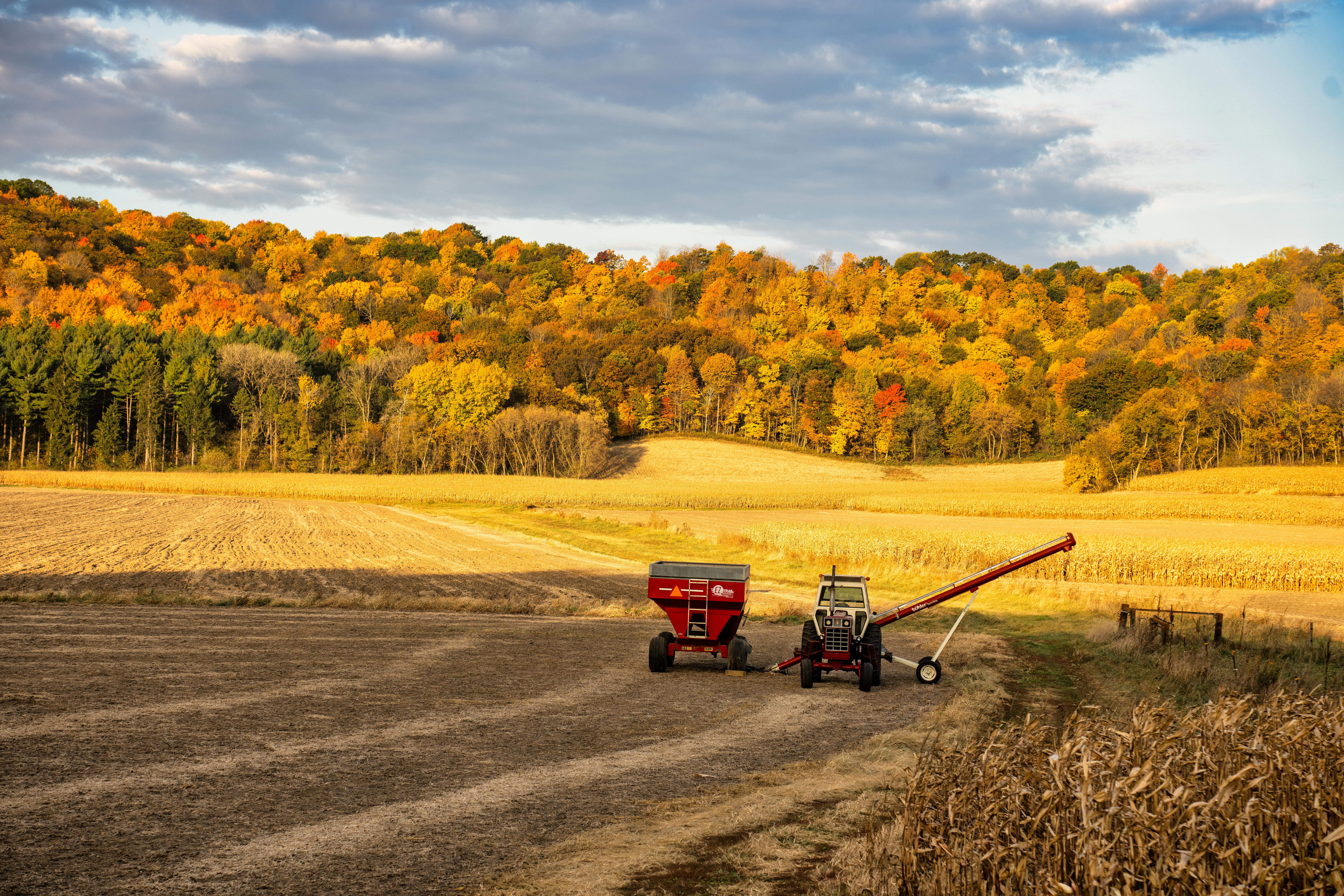
Farm transitions don’t start with paperwork, they start with clarity, and seeding season is often the first moment farms pause long enough to think about the future. Right now, many farms are fully focused on getting the crop in the ground—but few are spending time planting the next generation of the business.
Farm transition planning is often delayed because it feels complex or emotionally charged. But the most successful transitions we see don’t start with legal documents or tax strategies, they start with foundational questions. Questions like:
- What do we want the farm to look like in five, ten, or twenty years?
- Who wants to be involved in business and in what role?
- And just as important, who may not be farming, and how do we treat them fairly?
During seeding season, the farm is running as a system—people, equipment, land, and capital all working together. Transition planning is no different.
Before solutions are put in place, the structure and goals need to be clearly understood. This first step isn’t about making decisions—it’s about creating alignment and reducing uncertainty. If farm transition feels overwhelming, start by focusing on clarity, not complexity.
Once the foundation of a farm transition is understood, the next challenge is often the hardest talking about it. Many farm transitions don’t struggle because of bad planning; they struggle because the right conversations never happen. After goals and intentions are clear, the next phase of transition is communication. That means structured, intentional discussions with family members—both on‑farm and off‑farm. This is where expectations are set around:
- Future roles and timelines
- Income and retirement needs of the senior generation
- And how ownership, management, and control may evolve over time
Good transition conversations reduce assumptions and prevent conflict later. They also allow room to adjust plans as markets, health, or family circumstances change. Strong transitions are rarely one‑time events, they’re ongoing processes that evolve alongside the farm itself.
Connect with us to learn more about our approach.